You Won’t Believe What I Ate in Lyon—This City Is a Food Lover’s Dream
Lyon isn’t just another stop on the French map—it’s the soul of French cuisine. I went expecting good food, but what I found was a full-on sensory revolution. From sizzling sausages in bustling bouchons to silky quenelles served with pride, every bite told a story. This is a city where grandmothers guard recipes like treasure and markets overflow with DOP cheeses and sun-ripened produce. If you think you know French food, think again—Lyon will rewrite everything.
Why Lyon Reigns as France’s Culinary Capital
Lyon holds a unique place in the heart of France, both geographically and gastronomically. Nestled at the confluence of the Rhône and Saône rivers, it has long served as a crossroads for trade, culture, and, most importantly, ingredients. Unlike Paris, where haute cuisine often takes center stage in polished settings, Lyon celebrates the humble, home-cooked meal elevated by generations of care and precision. This is where French cooking found its soul—not in grand palaces, but in the kitchens of working-class women known as the mères lyonnaises, or Lyonnaise mothers.
These remarkable women, many of whom began as domestic cooks in the 19th and early 20th centuries, opened modest restaurants that served rich, satisfying dishes made from local ingredients. They were not trained chefs in the formal sense, but their intuition, technique, and deep respect for seasonality earned them national acclaim. Figures like Mère Brazier and Mère Bourgeois became legends, earning Michelin stars and setting the foundation for modern French gastronomy. Their legacy lives on in Lyon’s dining culture, where authenticity is valued over spectacle.
UNESCO recognized Lyon’s cultural significance in 2010 by including its historic neighborhoods and culinary traditions in the Creative Cities Network for Gastronomy. This designation is more than symbolic—it reflects a living, breathing food culture that locals fiercely protect. Restaurants are required to follow strict guidelines to earn the official “bouchon lyonnais” label, ensuring that only those serving traditional recipes with regional ingredients can claim authenticity. This commitment to preservation means that when you eat in Lyon, you are not sampling tourist interpretations—you are tasting history.
What sets Lyon apart from other French cities is its balance of pride and humility. There is no pretension here. The city does not boast about its status; it simply lives it. Chefs speak of their grandmothers’ recipes with reverence. Butchers discuss charcuterie with the seriousness of scholars. Even grocery shopping feels like a ritual. In Lyon, food is not a luxury—it is a daily act of love, identity, and continuity.
The Bouchon Experience: Where Authenticity Lives
To understand Lyon’s food culture, one must begin in a bouchon. These small, family-run eateries are the heartbeat of the city’s culinary identity. Originally, bouchons were informal taverns where silk workers—canuts—gathered to eat heartily after long shifts. They were warm, noisy, and unpretentious, serving dishes that were filling, flavorful, and deeply rooted in tradition. Today, while some have adapted to modern tastes, the best bouchons remain true to their origins.
Walking into a traditional bouchon feels like stepping into a time capsule. Checkered tablecloths, wooden chairs, and walls lined with copper pots and old photographs set the tone. The air carries the rich aroma of onions sautéing in butter, slow-cooked meats, and freshly baked bread. The menu rarely changes—this is not a place for experimentation. Instead, it offers a curated list of regional specialties, each prepared the same way for decades.
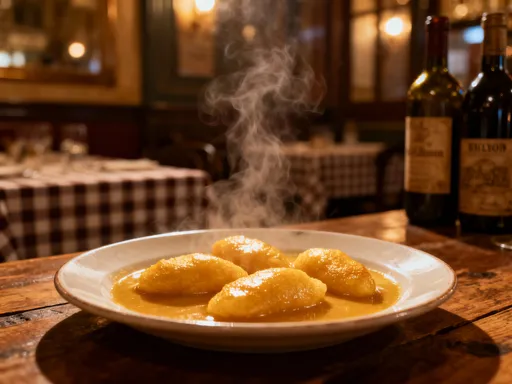
Among the must-try dishes is salade lyonnaise, a deceptively simple salad made with frisée lettuce, crispy bacon lardons, a poached egg, and a sharp Dijon vinaigrette. It is humble yet deeply satisfying, the kind of meal that feels both nourishing and indulgent. Another signature is quenelles de brochet—light, airy dumplings made from pike fish, bound with egg and cream, then poached and often served in a rich Nantua sauce made with crayfish. The texture is delicate, almost cloud-like, and the flavor is subtly briny, a testament to the skill required to achieve perfection.
For the more adventurous, andouillette—a sausage made from pork intestines—offers a bold, earthy taste and a firm, granular texture. It is not for everyone, but when prepared well, it is a revelation. The key is in the seasoning and the slow cooking, which mellows the intensity and brings out a deep, smoky complexity. A well-made andouillette is tender, fragrant with herbs, and served with a robust mustard or a red wine reduction.
To ensure an authentic experience, look for bouchons that display the official red-and-white “Bouchon Lyonnais” logo, awarded by the Confrérie des Chevaliers du Tastevin, a respected gastronomic brotherhood. These establishments adhere to strict standards, sourcing ingredients locally and preparing dishes using traditional methods. Some highly regarded options include Chez Hugon, Le Musée, and Daniel et Denise, all of which have earned loyal followings for their consistency and warmth.
Morning Markets: A Feast for the Senses
No visit to Lyon is complete without a morning spent in one of its vibrant markets. These are not tourist attractions dressed up for visitors—they are working markets where Lyon’s chefs, home cooks, and food lovers shop daily. The energy is palpable: vendors call out their specials, baskets overflow with seasonal produce, and the scent of fresh bread and roasting coffee fills the air. To walk through a Lyon market is to witness the foundation of its cuisine in real time.
One of the most celebrated is the Halles de Lyon Paul Bocuse, named after the legendary chef who put Lyon on the global culinary map. Housed in a sleek, modern pavilion, this indoor market brings together over forty vendors, each specializing in a different aspect of French gastronomy. Here, you can find everything from truffle-infused honey and artisanal saucissons to oysters on ice and handcrafted chocolates. It is a place to sample, savor, and perhaps splurge on a gourmet gift.
Equally rewarding is the Marché de la Créatie, a sprawling open-air market held every morning along the banks of the Saône. Less polished than Paul Bocuse, it feels more like a local ritual. Stalls brim with ripe strawberries from the Drôme, wheels of Comté aged for 24 months, and bundles of lavender from Provence. Butchers display cuts of beef with pride, while cheese vendors offer generous tastes of Saint-Marcellin, Bleu d’Auvergne, and Reblochon.
What makes these markets so special is the interaction. Vendors are eager to share stories about their products—where the mushrooms were foraged, how the charcuterie was cured, why this week’s tomatoes are particularly sweet. They offer samples without hesitation, encouraging visitors to taste before they buy. This is not transactional shopping; it is a conversation about food, terroir, and tradition.
For travelers, a market visit is more than a shopping trip—it is an immersion. It offers a chance to see what Lyoners eat, how they choose their ingredients, and what they value. It also provides insight into the seasonality that drives French cooking. In spring, you’ll find morels and fresh goat cheese; in autumn, chestnuts and game birds. By aligning your meals with what’s available, you eat not just like a local, but in harmony with the land itself.
Must-Try Dishes: Beyond the Basics
Lyon’s culinary identity is built on a handful of iconic dishes that go beyond the well-known quenelles and salade lyonnaise. These are the foods that define everyday life in the city, passed down through families and perfected over time. To eat them is to understand Lyon’s spirit—one that values bold flavors, resourcefulness, and comfort.
One such dish is rosette de Lyon, a dry-cured pork sausage known for its deep pink color and delicate spice blend. Made from lean cuts of pork shoulder, it is seasoned with pepper, garlic, and sometimes nutmeg before being air-dried for several weeks. The result is a firm, sliceable sausage with a complex, slightly sweet flavor. It is often served as part of a charcuterie board, accompanied by cornichons and a glass of Beaujolais. What makes rosette special is its Protected Geographical Indication (PGI) status, which ensures it is made in Lyon using traditional methods.
Equally iconic is tarte praline, a bright pink tart that stands out as much for its color as its taste. Made with crushed pink pralines—caramelized almonds—it has a sweet, nutty filling encased in a buttery shortcrust pastry. The tart is a specialty of the city, often enjoyed as a dessert or afternoon treat. While some find the color surprising, the flavor is undeniably rich and comforting, a perfect balance of sweetness and crunch.
Another local favorite is cervelle de canut, which translates literally to “silk worker’s brains”—a name that sounds far more dramatic than the dish itself. In reality, it is a creamy cheese spread made from fromage blanc or cottage cheese, mixed with herbs, garlic, shallots, and vinegar. It is light, tangy, and incredibly fresh, typically served with crusty bread or raw vegetables. The name is a nod to the wit of Lyon’s silk workers, who used humor to cope with long hours and low pay. Today, it is a staple at family gatherings and bouchon menus alike.
For those willing to explore the more adventurous side of Lyonnaise cuisine, tablier de sapeur—literally “sapper’s apron”—is a must. This dish consists of marinated calf’s tripe, breaded and deep-fried until golden and crisp on the outside, tender within. It is often served with a sharp remoulade sauce and a side of fries. While the idea of eating tripe may give some pause, the result is surprisingly mild and satisfying, with a texture similar to calamari. It is a dish born of necessity, a way to use every part of the animal, and it remains a point of pride in Lyon.
Hidden Eateries and Local Secrets
While the bouchons and markets are essential, some of Lyon’s most memorable meals happen in unexpected places. Away from the guidebook highlights, tucked into narrow streets of Croix-Rousse or hidden in quiet courtyards, lie family-run tabliers, wine bars with no signs, and bistros that seat no more than a dozen. These are the spots where locals go, where the chef greets regulars by name, and where the menu changes daily based on what’s fresh.
One such discovery might be a tiny wine bar in the Saint-Jean quarter, where the owner pours natural wines from small Beaujolais producers and serves nothing but a rotating selection of charcuterie and cheese. There are no reservations, no website—just a chalkboard listing the day’s offerings. Another could be a grandmother-run tablier in the Guillotière neighborhood, where the cervelle de canut is made fresh each morning and the tarte praline is baked in a wood-fired oven.
These places thrive on word-of-mouth and repeat customers. They do not need flashy decor or social media campaigns. Their reputation is built on consistency, warmth, and flavor. To find them, one must slow down, wander without a map, and talk to people. Ask a shopkeeper where they eat lunch. Strike up a conversation with a neighbor on a park bench. Accept an invitation to share a glass of wine at a local bar. In Lyon, hospitality is not performative—it is genuine.
Some of the best meals I’ve had in Lyon came from such spontaneity: a chance encounter with a chef who invited me into his kitchen to watch him prepare quenelles by hand, or a shared table at a neighborhood bistro where strangers became temporary companions over bottles of Côtes du Rhône. These moments cannot be planned, but they can be invited by adopting a mindset of openness and curiosity.
Pairing Food with the City’s Vibe: Neighborhood Flavors
Lyon’s culinary landscape shifts subtly from one neighborhood to the next, each offering a different rhythm and flavor profile. To dine in Lyon is not just to eat, but to move through history, culture, and urban design. A well-planned food itinerary should reflect this diversity, allowing travelers to experience the city’s many layers.
Vieux Lyon, the Renaissance heart of the city, feels like stepping into a painting. Its cobbled streets, hidden traboules (passageways), and ochre buildings create a romantic backdrop for intimate dinners. Restaurants here often lean toward refined interpretations of classic dishes, served in candlelit courtyards or centuries-old buildings. It is a place for lingering over wine and savoring each course.
The Presqu’île, the peninsula between the Rhône and Saône, is more dynamic. Lined with elegant 19th-century architecture, it hosts a mix of historic bouchons and modern brasseries. This is where you’ll find bustling lunch spots filled with professionals and well-curated wine bars perfect for an evening aperitif. The energy is lively, the pace brisk, but the food remains deeply rooted in tradition.
Then there is Croix-Rousse, the former silk-weaving district, now a bohemian enclave known for its artisanal spirit. Cobblestone slopes lead to small cafés, organic bakeries, and vegetarian-friendly bistros that reinterpret Lyonnaise cuisine with a lighter touch. It is also home to the famous marché aux puces, where food stalls serve everything from falafel to farmstead cheeses. Here, innovation meets heritage, and the food reflects a more eclectic, globalized Lyon.
Finally, the Confluence district, at the southern tip of the peninsula, represents the city’s modern face. With its bold architecture and riverfront parks, it draws a younger crowd and embraces fusion cuisine—think Lyonnaise quenelles with Asian-inspired sauces or charcuterie boards paired with craft cocktails. It is a reminder that tradition does not mean stagnation; Lyon’s food culture evolves while staying true to its roots.
Practical Tips for the Food-Obsessed Traveler
For those planning a culinary pilgrimage to Lyon, a few practical tips can make the experience smoother and more rewarding. First, timing matters. The best months to visit are from May to October, when markets overflow with fresh produce and outdoor seating is plentiful. Arrive early at popular markets like Halles de Lyon Paul Bocuse to avoid crowds and secure the best selections.
Reservations are essential for well-known bouchons, especially on weekends. Even midweek, it’s wise to book at least a few days in advance. For smaller, lesser-known spots, calling ahead or stopping by during off-hours to inquire can increase your chances of getting a table.
When navigating menus, don’t be afraid to ask for recommendations. Many waitstaff are happy to explain dishes, especially if you show genuine interest. If you’re unsure, start with a classic like quenelles or salade lyonnaise—these are reliable indicators of a kitchen’s skill. And while it’s tempting to order multiple courses, remember that Lyonnaise portions are generous. Sharing a main dish and focusing on quality over quantity can be more satisfying.
Transportation in Lyon is efficient and walkable. The city center is compact, and many of the best food destinations are within easy walking distance. The metro and tram systems are reliable for reaching outer neighborhoods like Croix-Rousse or Confluence. Biking is also a pleasant option, with dedicated lanes and bike-sharing programs available.
For budget-conscious travelers, lunch menus (menus du déjeuner) at mid-range restaurants often offer excellent value, with three courses at a fraction of dinner prices. Street food and market stalls provide affordable, high-quality options for snacks and light meals. And don’t overlook bakeries—Lyon’s boulangeries are among the best in France, offering fresh bread, pastries, and savory tarts perfect for a picnic by the river.
Finally, observe local dining etiquette. Meals are meant to be savored, not rushed. It is common to spend two hours or more on a dinner, especially on weekends. Tipping is not obligatory but appreciated—leaving small change or rounding up the bill is customary. And always greet the server with a polite “bonjour” when entering a restaurant; a little courtesy goes a long way.
Lyon does not reveal itself all at once. Its flavors unfold slowly, like a well-aged cheese or a stew that has simmered for hours. To truly experience it, one must eat fearlessly, listen closely, and let the city guide the way. In Lyon, every meal is a conversation—with the past, with the land, and with the people who keep its traditions alive. Come hungry, leave transformed.