You Won’t Believe These Hidden Spots in Kamakura
Tucked away just an hour from Tokyo, Kamakura is more than just temples and crowds. I stumbled upon quiet cafés, tucked-in bookshops, and coastal trails most tourists never see. These hidden leisure spots offer peace, charm, and a real taste of local life. If you're craving a calm escape with character, let me show you the side of Kamakura few talk about—but everyone should experience.
Beyond the Tourist Trail: The Real Allure of Kamakura
Kamakura is often celebrated for its Great Buddha, bustling Komachi-dori, and the iconic Tsurugaoka Hachimangu Shrine. These landmarks draw millions each year, and rightly so—they are cornerstones of Japan’s cultural legacy. Yet, the true soul of Kamakura doesn’t reside solely in its famous sights. It lives in the quiet moments between destinations: the rustle of bamboo along a secluded path, the chime of a distant temple bell, the scent of incense drifting through a residential alley. For travelers seeking more than a checklist of attractions, Kamakura offers a subtler, more intimate experience—one rooted in stillness, simplicity, and serenity.
What makes Kamakura’s quieter side so compelling is its authenticity. While the well-trodden paths cater to convenience and efficiency, the hidden corners invite presence and patience. These are places where daily life unfolds without performance—where shopkeepers greet regulars by name, where elderly neighbors pause for conversation on narrow lanes, and where the rhythm of the day follows the sun, not the schedule. To explore these spaces is not to reject the popular sites, but to complement them with a deeper understanding of what it means to live, and to linger, in this coastal city.
This balance between preservation and personal discovery is vital. Kamakura’s cultural heritage must be protected, but so too must the space for authentic human connection. Over-tourism threatens not only infrastructure but also the very atmosphere that draws visitors in the first place. By choosing to explore lesser-known spots, travelers support sustainable tourism and contribute to a more respectful relationship with the places they visit. It’s not about avoiding crowds entirely, but about expanding one’s definition of what a meaningful journey looks like.
Morning Magic: Starting the Day at a Local Hillside Café
One of the most rewarding ways to begin a day in Kamakura is with a slow, unhurried breakfast at a small hillside café, tucked into the residential neighborhoods that climb gently from the coast. These are not chain establishments with polished menus and digital ordering systems, but family-run spaces where the owner might hand-grind beans while exchanging quiet pleasantries with guests. The décor is often modest—wooden tables, mismatched chairs, shelves lined with well-loved cookbooks—but the atmosphere is anything but ordinary.
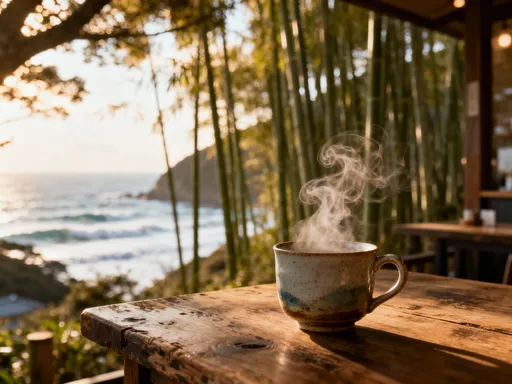
From certain vantage points, a sliver of the Pacific Ocean glimmers between rooftops, catching the morning light like scattered glass. The air carries a blend of salt and roasted coffee, and the only sounds are the occasional clink of porcelain and the distant cry of gulls. There is no pressure to turn over tables, no urgency to move on. Instead, time seems to soften, allowing space for reflection, reading, or simply watching the world wake up at its own pace.
Many of these cafés serve homemade treats—warm mochi filled with red bean paste, delicate matcha rolls, or buttery scones made with local dairy. The emphasis is on quality, seasonality, and care. What’s especially striking is the embodiment of *omotenashi*, the Japanese philosophy of selfless hospitality. Service is attentive but never intrusive; guests are welcomed not as customers, but as temporary members of a quiet ritual. There is no Wi-Fi, not because it’s unavailable, but because it’s unnecessary. The intention is clear: to be here, now, without distraction.
Hidden in Plain Sight: The Quiet Charm of Komachi-dori Side Streets
Komachi-dori, Kamakura’s main shopping street, is a sensory delight—lined with stalls selling *taiyaki*, grilled fish buns, matcha-flavored snacks, and handmade souvenirs. On weekends, it pulses with energy, filled with visitors sampling street food and browsing colorful shops. But just steps away from this lively artery, a network of narrow alleys branches off like capillaries, leading into a quieter, more contemplative version of the city. These side streets, often overlooked, are where Kamakura’s quieter craftsmanship and daily rhythms reveal themselves.
Wandering these lanes, one might stumble upon a tiny pottery studio where a master shapes clay with quiet focus, or a family-run shop selling hand-dyed tenugui towels in soft indigo hues. A grandmother might sit outside her home, arranging freshly picked herbs on a bamboo tray, while a cat naps in a sunlit doorway. These are not staged scenes for tourists, but genuine glimpses into a life that values slowness, care, and continuity.
Among the most rewarding finds are the small tea vendors offering freshly brewed sencha or hojicha in reusable cups. There’s no signage, no fanfare—just a simple counter and a smile. These moments of unexpected generosity underscore the value of walking without agenda. When travelers move slowly, they allow space for serendipity. They begin to notice details: the texture of moss on stone walls, the pattern of wooden lattices, the way light filters through paper lanterns in the late afternoon. These are the details that memory holds onto long after the trip ends.
A Reader’s Paradise: The Secret Behind Kamakura’s Independent Bookshops
Kamakura has long been a haven for artists, writers, and thinkers, and this intellectual heritage lives on in its independent bookshops. Scattered throughout the city’s quieter neighborhoods, these stores are not designed for quick transactions. They are sanctuaries—quiet, carefully curated spaces where literature and stillness coexist. Some occupy converted homes, their tatami rooms repurposed into reading nooks; others hide behind unassuming facades, revealed only by a small sign or a stack of books in the window.
These bookshops often specialize in niche subjects: Japanese poetry, local history, botanical illustration, or traditional crafts. The selection feels personal, as if shaped by the owner’s passions rather than market trends. Browsing here is a tactile experience—running fingers over hand-bound covers, flipping through pages of independently published journals, discovering a rare edition tucked between familiar titles. There’s no pressure to buy; many shops welcome visitors to sit, read, and stay as long as they like.
One such bookstore, nestled in a leafy residential area, features a small garden courtyard where guests can read beneath a camellia tree. Another hosts monthly poetry readings, drawing a gentle crowd of locals and curious travelers. These spaces do more than sell books—they cultivate community, curiosity, and quiet reflection. In an age of digital overload, they remind us of the enduring value of holding a physical book, of losing oneself in a paragraph, of silence as a companion to thought.
The cultural significance of these bookshops extends beyond leisure. They represent a commitment to preserving intellectual and artistic spaces in the face of commercialization. They are not merely businesses, but cultural anchors—places where ideas are nurtured, not consumed. For visitors, spending time in one of these bookshops is not just a pause in the day, but a reconnection with the slower, more deliberate rhythms of the mind.
Coastal Escape: Walking the Enoshima Seaside Park Trail
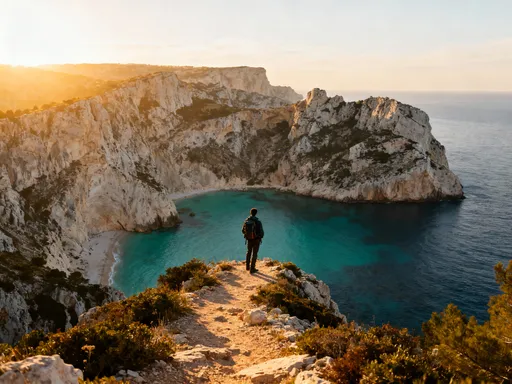
For those seeking both natural beauty and solitude, the Enoshima Seaside Park Trail offers a perfect blend of accessibility and tranquility. This scenic coastal path connects Kamakura to Enoshima Island, winding along cliffs, through pine groves, and past rocky inlets where waves crash softly against stone. Unlike the more crowded beaches and shrines, this trail sees fewer visitors, especially in the early morning or on weekdays, making it ideal for those who crave space and silence.
The trail begins near Kamakura’s Inamuragasaki area, a peaceful stretch of coastline often overlooked by tourists. From here, the path follows the curve of the bay, offering panoramic views of Sagami Bay and, on clear days, a distant glimpse of Mount Fuji. The route is well-maintained but natural—gravel paths, wooden boardwalks, and stone steps blend into the landscape without dominating it. Along the way, benches invite rest, and small shrines nestled among the rocks offer quiet places for reflection.
One of the most memorable sections is the stretch near Benten Island, where a narrow causeway links the mainland to a small islet crowned with a red-lacquered shrine. The sound of the sea here is constant—a soothing rhythm that drowns out thought and invites mindfulness. Seabirds glide overhead, and if you’re lucky, you might spot a cormorant diving for fish or a heron standing motionless at the water’s edge.
Practical considerations enhance the experience. The best time to walk the trail is early morning or late afternoon, when the light is soft and the air is cool. Comfortable walking shoes with good grip are recommended, as some sections can be uneven, especially after rain. Public transportation access is straightforward: a short train ride to Fujisawa Station, followed by a 10-minute walk to the trailhead. Alternatively, cycling from Kamakura Station is a scenic option for the more adventurous.
What makes this trail truly special is its ability to shift one’s perspective. Away from the noise of the city and the bustle of tourist hubs, it becomes easier to listen—to the wind, to the waves, to one’s own thoughts. It’s a reminder that travel doesn’t always have to be about seeing more, but about feeling more.
Finding Stillness: Gardens and Temples Off the Beaten Path
While the Great Buddha and Hachimangu Shrine are essential Kamakura experiences, the city’s lesser-known temples offer something different: a chance for contemplation rather than observation. Temples like Jōchi-ji and An'yō-in, located in quieter residential areas, are not designed for mass tourism. They are living spaces of practice and peace, where monks chant in the early hours and gardeners tend to moss-covered stone lanterns with quiet devotion.
Jōchi-ji, a Zen temple nestled in the hills, is renowned for its dry landscape garden—a minimalist composition of raked gravel, weathered stones, and carefully placed evergreens. There are no signs urging silence, yet silence comes naturally. Visitors often sit on the wooden veranda, absorbing the stillness, allowing the mind to settle like dust in a sunlit room. The garden is not meant to be photographed, but to be felt—an invitation to internal reflection.
Similarly, An'yō-in, a sub-temple of the larger Kenchō-ji complex, features a garden that changes with the seasons. In spring, azaleas bloom in vibrant bursts; in autumn, maple leaves turn the grounds into a tapestry of red and gold. But even in winter, when the garden appears bare, its beauty endures—rooted in structure, balance, and restraint. These spaces are designed not to impress, but to invite presence.
Visiting such temples requires a different kind of attention. There are no audio guides, few informational plaques, and minimal crowds. Instead, travelers are asked to observe quietly, to move slowly, to respect the sanctity of the space. In doing so, they participate in a centuries-old tradition of mindfulness and reverence. These temples do not offer entertainment; they offer stillness. And in a world that rarely allows for stillness, that is a rare and precious gift.
Why Slow Leisure Travel Matters — And How Kamakura Delivers
In recent years, there has been a quiet but powerful shift in how people approach travel. More travelers are moving away from the “see everything” mentality and embracing a slower, more intentional way of exploring. This trend—often called restorative or mindful travel—prioritizes emotional well-being, cultural connection, and personal reflection over packed itineraries and photo opportunities. It’s not about escaping life, but about enriching it.
Kamakura, with its blend of natural beauty, cultural depth, and quiet spaces, is ideally suited to this kind of travel. The city does not demand attention; it invites it. Whether sipping tea in a hillside café, wandering through a mossy temple garden, or walking a coastal trail with the sea at your side, the experience is one of gentle immersion. There is no need to rush, no pressure to perform, no competition for the best view. Instead, there is space—to breathe, to think, to simply be.
This kind of travel also fosters deeper respect for local cultures. When visitors slow down, they are more likely to engage with communities in meaningful ways—buying from small artisans, respecting quiet spaces, learning a few words of Japanese to greet shopkeepers. These small acts build bridges, not just between people, but between ways of living. They remind us that travel is not just about where we go, but how we go.
Moreover, the mental health benefits of slow leisure travel are increasingly recognized. Studies suggest that time spent in nature, combined with reduced sensory overload and intentional stillness, can lower stress levels, improve mood, and enhance cognitive clarity. Kamakura’s hidden spots—its quiet cafés, bookshops, gardens, and trails—naturally support these conditions. They are not marketed as wellness retreats, but they function as such, offering a kind of quiet healing that modern life often lacks.
Conclusion: Carry the Calm With You
The most lasting souvenirs from a trip to Kamakura are not the trinkets bought from Komachi-dori, but the quiet moments carried in memory: the warmth of a teacup in your hands, the hush of a garden at dawn, the sound of waves beneath a wooden bridge. These are the experiences that linger, not because they were extraordinary in scale, but because they were extraordinary in feeling.
Kamakura teaches a simple but profound lesson: that joy often resides in the understated, the overlooked, the unhurried. It reminds us that even in familiar destinations, there is always more to discover—if we are willing to walk a little farther, look a little closer, and listen a little longer. The city does not shout its beauty; it whispers it.
As you return to your daily life, consider carrying that whisper with you. Let the calm of Kamakura’s hidden spots inspire a slower rhythm at home—whether it’s pausing to savor a morning drink, choosing a quiet walk over a crowded mall, or simply sitting with a book in a sunlit corner. Travel is not just about changing places, but about changing perspective. And sometimes, the most transformative journeys are the quietest ones.