What Nobody Tells You About Palau’s So-Called “Must-Try” Specialty Products
You fly to Palau for the turquoise lagoons and pristine reefs — but end up spending way too much on overhyped local souvenirs. I did, and it stung. Turns out, not every specialty product is worth your luggage space or dollars. From seaweed that’s just glorified pond scum to “premium” black coral trinkets with sketchy origins, the souvenir game here is full of traps. This is your real talk guide to what’s authentic, what’s overpriced, and what to actually bring home.
First Impressions: The Allure of Palauan Specialty Products
From the moment visitors step off the plane in Koror, the charm of Palau extends beyond its natural beauty into the vibrant world of local craftsmanship. Boutique shops, open-air markets, and resort gift counters are brimming with items labeled as authentic, handcrafted, and rich in tradition. Brightly woven baskets, intricately carved wooden masks, bottles of golden coconut oil, and delicate jewelry dangle under tropical sunshades, each promising a tangible memory of paradise. These products are marketed as more than souvenirs — they are sold as cultural artifacts, stories in physical form, a way to carry a piece of Palau back home.
Yet beneath the glossy surface, the reality is more complicated. While Palau does have a living tradition of artisanal work, much of what’s presented to tourists today is not as local or authentic as it appears. Some goods are mass-produced in factories outside the region and imported for repackaging. Others mimic traditional designs but are made using synthetic materials or industrial processes. The demand created by tourism has incentivized shortcuts, turning cultural expression into commercialized imitation. This shift doesn’t just mislead travelers — it risks diluting the very heritage these souvenirs claim to celebrate.
The disconnect between expectation and reality becomes most apparent when comparing prices with quality. A $60 bottle of “premium” seaweed extract might contain less than 10% actual Palauan-harvested algae. A hand-carved wooden fishhook, advertised as a traditional fishing tool, may have been stamped out by a mold in another country. These aren’t isolated cases; they reflect a broader trend where appearance trumps origin. Travelers, eager to support local communities and bring home something meaningful, often unknowingly contribute to a system that benefits middlemen more than makers.
Understanding this landscape is not about discouraging souvenir shopping — it’s about empowering visitors to make informed choices. When travelers know what to look for, they can bypass the gimmicks and connect with genuine cultural expressions. The goal isn’t to eliminate souvenirs but to elevate them — to ensure that every purchase reflects respect for Palau’s people, environment, and traditions. This begins with recognizing the difference between what’s marketed and what’s meaningful.
The Big Three: Seaweed, Black Coral, and Coconut Oil
Among the most promoted specialty products in Palau are seaweed, black coral jewelry, and coconut oil. These three dominate gift shop displays and travel brochures, often labeled as health-boosting, culturally significant, or environmentally sustainable. While each has legitimate roots in Palauan life, the versions sold to tourists frequently fall short of their promises. Understanding what these items should be — and how they’re often misrepresented — is essential for responsible shopping.
Take seaweed, known locally as *limu*. In traditional Palauan cuisine, *limu* is harvested sustainably from coastal reefs, sun-dried, and used in salads, soups, or as a garnish. It’s rich in iodine, fiber, and antioxidants, and its harvesting is often a communal activity tied to seasonal tides. Authentic Palauan seaweed is light in color, slightly chewy, and carries a clean ocean scent. However, many products labeled as “Palauan seaweed” are actually low-grade imports from Southeast Asia, rebranded and sold at a premium. Some dried seaweed snacks found in tourist shops contain added salt, preservatives, or artificial flavorings, undermining their supposed health benefits. Without clear labeling or origin verification, even well-intentioned buyers may end up with a product that has little connection to Palau.
Black coral jewelry presents an even more complex issue. Palau is home to some of the world’s most pristine black coral colonies, which grow slowly in deep waters and are protected under national and international regulations. While small, sustainably harvested pieces have been used in traditional adornment, the demand from tourists has led to illegal harvesting and smuggling. Many black coral pendants and earrings sold in resorts lack CITES (Convention on International Trade in Endangered Species) certification, making their sale and export questionable. Even when legal, the environmental cost of harvesting slow-growing corals raises ethical concerns. Travelers should know that authentic, legally sourced black coral jewelry is rare and expensive — if the price seems too good to be true, it likely is.
Coconut oil is perhaps the most widely available specialty product, promoted for its moisturizing, antibacterial, and hair-nourishing properties. True cold-pressed, unrefined coconut oil made in Palau is a high-quality product, often produced in small batches by local women’s cooperatives. However, not all bottles on the shelf are equal. Some brands dilute pure oil with mineral oil or synthetic fragrances to increase volume and appeal. Others use industrial refining methods that strip away beneficial nutrients. Without transparent sourcing information, it’s difficult to distinguish between a genuinely local product and a generic import. Travelers are advised to look for labels indicating cold-pressed, organic, and locally made — and to support brands that name their producers and communities.
Where the Magic (and the Marketing) Happens: Markets vs. Resorts
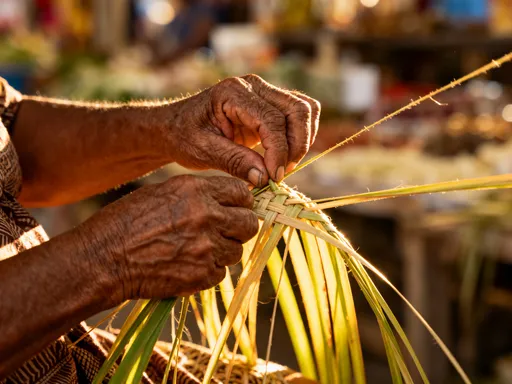
The location where you shop in Palau significantly influences the authenticity and value of what you buy. Local markets, such as the Koror Sunday Market, offer a closer connection to real artisans and community-based vendors. Here, you’re more likely to meet the makers themselves — women selling handmade soaps, elders offering woven mats, or fishermen offering dried reef fish. These interactions often come with stories, tips on usage, and pride in craftsmanship. Prices are generally fair, reflecting the time and effort invested. The atmosphere is lively, informal, and rooted in daily island life.
In contrast, resort gift shops and airport boutiques cater to convenience and perceived luxury. While they may offer a polished shopping experience, their inventory often tells a different story. Many items are sourced from outside Palau, sometimes from as far as Indonesia or the Philippines, then labeled as “Pacific-made” or “island-inspired.” Prices are typically 2 to 3 times higher than in local markets, with little to no difference in quality. A $45 woven bracelet at a resort might cost $15 at the Sunday Market — and the one at the market is more likely to have been made by a local artisan.
This pricing disparity isn’t just about profit margins — it reflects a deeper imbalance in how tourism economies operate. Resorts and hotels capture a large share of tourist spending, but much of that revenue doesn’t trickle down to local producers. When souvenirs are outsourced, the cultural value is reduced to aesthetics, stripped of context and meaning. Travelers who buy from resorts may believe they’re supporting Palauan culture, but in many cases, they’re funding global supply chains instead.
That said, not all resort shops are problematic. Some high-end lodges partner with local cooperatives and feature certified authentic goods. These collaborations can provide stable income for artisans and promote cultural preservation. The key is transparency. Travelers should ask questions: Who made this? Where was it produced? Is there a community benefit? When vendors can answer clearly, it’s a strong sign of ethical sourcing. When they hesitate or deflect, caution is warranted.
The Hidden Cost: Environmental and Cultural Impact
Every souvenir purchase has consequences — some visible, others hidden. In Palau, a nation celebrated for its environmental leadership, the unchecked sale of certain specialty products threatens the very ecosystems that draw visitors. Overharvesting of marine resources for souvenirs undermines conservation efforts and risks long-term damage to coral reefs, fish populations, and coastal habitats. The demand for black coral, giant clams, and reef fish for decorative items has led to illegal harvesting, even within protected marine zones. These actions not only deplete biodiversity but also weaken the resilience of marine environments facing climate change.
Coconut oil and seaweed production, while less visibly destructive, can also have environmental costs if not managed sustainably. Large-scale coconut farming for commercial oil production can lead to deforestation and soil degradation. Unsustainable seaweed harvesting — especially when done with rakes or dredges — damages reef structures and disrupts marine life. When production is driven by tourist demand rather than ecological balance, the pressure on natural resources grows. Palau’s government and conservation groups have implemented regulations to protect these resources, but enforcement remains a challenge, particularly in remote areas.
Beyond environmental concerns, there’s a cultural cost to consider. When traditional symbols, patterns, or spiritual motifs are mass-produced for souvenirs without community consent, it crosses into cultural appropriation. For example, the *bul* — a traditional Palauan storyboard used in ceremonies — holds deep cultural significance. When its designs are copied onto cheap keychains or t-shirts for tourists, the meaning is lost, and the community’s intellectual property is exploited. Similarly, sacred chants or family crests used on commercial products without permission disrespect ancestral traditions.
These issues highlight the importance of ethical consumption. Travelers have the power to either perpetuate harm or support positive change. By choosing souvenirs that are sustainably sourced and culturally respectful, visitors help protect Palau’s natural and cultural heritage. This means avoiding items made from endangered species, rejecting mass-produced imitations, and seeking out products that honor — rather than exploit — local traditions.
Smart Shopping: How to Spot Authentic Palauan Goods
Navigating Palau’s souvenir market doesn’t have to be overwhelming. With a few practical strategies, travelers can make choices that are both meaningful and responsible. The first step is to slow down. Authentic products often come from small-scale producers who take time and care in their work. If an item looks too perfect, too uniform, or too cheap, it’s likely machine-made or imported. Handmade goods, by contrast, may have slight imperfections — variations in color, texture, or shape — that signal genuine craftsmanship.
Ask questions. Engage with vendors and show genuine interest. Who made this? Where was it harvested or crafted? How long did it take? Local artisans are usually proud to share their process and will offer specific details. Vague answers like “it’s traditional” or “we’ve always made this” without further explanation should raise caution. Look for signs of transparency: product labels that list ingredients, origin, or producer names; certificates of authenticity; or affiliations with local cooperatives.
Support community-based initiatives. Several women’s groups, youth programs, and eco-projects in Palau produce high-quality goods with clear social and environmental missions. The Palau Women’s Federation, for example, runs a cooperative that makes organic soaps and skincare using local ingredients. Their products are sold at select markets and online, with proceeds funding education and health programs. Similarly, the Etpison Museum gift shop features items made by local artists, with profits supporting cultural preservation. These organizations provide a trustworthy alternative to generic souvenir stalls.
Another red flag is packaging. Authentic Palauan goods often come in simple, eco-friendly wrapping — banana leaves, woven palm fibers, or recycled paper. Overly glossy boxes, plastic seals, or English-only labels are signs of mass production for export. Finally, trust your instincts. If a product feels exploitative, environmentally harmful, or culturally insensitive, it’s okay to walk away. Responsible shopping isn’t about buying more — it’s about buying better.
Beyond the Trinket: Meaningful Alternatives to Souvenirs
Sometimes, the most lasting souvenirs aren’t things you can pack — they’re experiences you carry in your heart. In Palau, where culture and nature are deeply intertwined, the most authentic connections come from participation, not possession. Instead of buying a carved mask, consider joining a traditional weaving workshop led by a local elder. Rather than purchasing a bottle of coconut oil, take a guided farm tour to see how it’s made from harvest to bottling. These experiences offer deeper insight into Palauan life and create memories far more valuable than any trinket.
Community-based tourism initiatives are growing in Palau, offering visitors the chance to engage respectfully with local customs. Programs like homestays, cultural storytelling sessions, and reef clean-up tours allow travelers to contribute positively while learning firsthand about conservation and tradition. When you spend time with a family in Airai or help plant mangroves in Ngarchelong, you’re not just observing culture — you’re becoming part of it, even if briefly. These moments foster mutual understanding and leave a more meaningful impact than any souvenir purchase ever could.
Financial support can also take non-material forms. Donating to local schools, conservation groups, or women’s cooperatives ensures your resources go directly to those in need. Some travelers choose to “adopt” a coral fragment through a reef restoration program, receiving updates on its growth over time. Others sponsor a child’s school supplies or contribute to a community garden. These gestures create lasting benefits and reflect a commitment to responsible travel.
Even photography, when done respectfully, can be a powerful way to preserve memories. A photo of a sunrise over Rock Islands, a portrait of a smiling artisan, or a video of a traditional dance becomes a personal archive of your journey. When shared with care, these images can inspire others to visit Palau with awareness and respect. The key is to ask permission, honor cultural boundaries, and avoid staged or exploitative shots.
Conclusion: Traveling with Awareness in Paradise
Palau’s beauty is undeniable — its waters shimmer, its forests breathe, and its people welcome visitors with quiet dignity. But this paradise is not immune to the pressures of tourism. Every choice a traveler makes — where to shop, what to buy, how to engage — ripples through the community and environment. The real specialty of Palau isn’t a bottle of oil, a piece of coral, or a bag of seaweed. It’s the living culture, the stewardship of nature, and the wisdom of a people who have thrived in harmony with their islands for generations.
When we reduce that richness to a souvenir, we risk losing its essence. But when we travel with awareness, we become stewards too. By questioning the stories behind products, supporting authentic creators, and choosing experiences over objects, we honor what makes Palau truly special. We protect its reefs by not buying coral. We respect its traditions by not commodifying sacred symbols. We uplift its people by paying fair prices and listening to their stories.
The most valuable thing you can bring home from Palau isn’t something that fits in a suitcase — it’s a renewed sense of responsibility. It’s the understanding that travel is not just about what we take, but what we give. In a world where destinations are increasingly commercialized, Palau reminds us that authenticity is worth protecting. Let your visit be part of that protection. Let your choices reflect care, curiosity, and respect. Because in the end, the best souvenirs are the ones that help preserve the place they came from.