You Won’t Believe These Food Fails in Montevideo
Montevideo’s food culture is rich and inviting—fresh empanadas, smoky asado, and sweet dulce de leche everywhere. But behind the delicious façade, travelers often make the same mistakes. I learned the hard way: ordering the wrong cut of meat, missing hidden gems, and overpaying near tourist spots. If you’re craving authenticity, you’ve gotta know what to avoid. Let me save you the trouble.
The Asado Trap: When "Authentic" Isn’t What It Seems
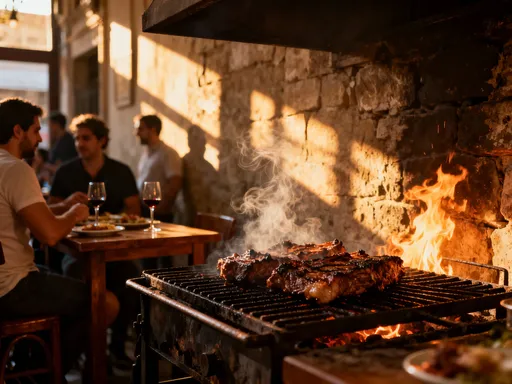
One of the most celebrated aspects of Uruguayan cuisine is the asado, a time-honored tradition that goes far beyond simple grilling. For locals, asado is a social event—a slow, deliberate gathering where family and friends come together around the fire, sharing stories as cuts of meat sizzle over glowing embers. Yet, many visitors seeking this authentic experience end up in restaurants that merely mimic the ritual for tourist consumption. These establishments often advertise "traditional Uruguayan asado" with glossy photos and English menus, but the reality can fall short in both flavor and atmosphere.
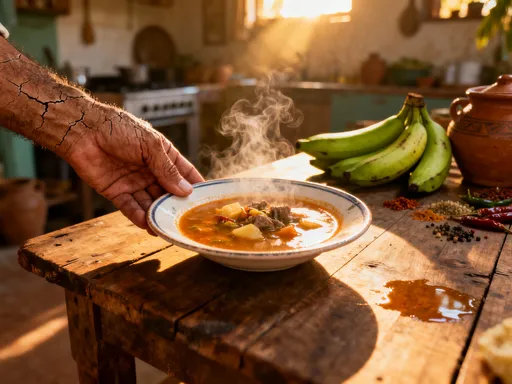
The true essence of asado lies not just in the meat, but in the method and meaning behind it. Real asado takes hours. It begins with careful preparation—selecting the right cuts like entraña (skirt steak), tira de asado (short rib), or achuras (offal such as sweetbreads and kidneys). The fire is managed with precision, using native wood to infuse a subtle smokiness. Most importantly, it unfolds at a leisurely pace, often stretching into late afternoon or evening. This is not fast food; it’s a cultural rhythm that values patience and presence.
To find the real thing, travelers should look beyond the polished storefronts of tourist-heavy areas. Authentic parrillas—Uruguay’s beloved neighborhood grills—are often unassuming, with no signage in English, cash-only policies, and menus scribbled on chalkboards. A strong indicator of legitimacy is the presence of local families and older men debating football over glasses of red wine. These spots rarely advertise, relying instead on reputation and word of mouth. Venturing into barrios like Pocitos, Tres Cruces, or even farther into residential neighborhoods increases your chances of joining a genuine asado experience.
Additionally, consider timing your visit for weekends, especially Sundays, when many families host private asados. Some parrillas open their doors for communal meals on these days, offering set menus that reflect the full spread of traditional cuts. By choosing these less visible but deeply rooted establishments, you’re not just eating well—you’re participating in a living tradition that defines Uruguayan hospitality.
Empanada Expectations vs. Reality
For many travelers, empanadas represent the soul of Latin American street food—crispy, flavorful, and packed with bold spices. In Montevideo, however, expectations often clash with reality. Unlike the fiery fillings found in countries like Mexico or Colombia, Uruguayan empanadas are subtle, almost understated. The most common variety features a delicate blend of finely ground beef, sautéed onions, a touch of cumin, and sometimes a single green olive tucked into the center. There’s no chili heat, no overwhelming seasoning—just a comforting, savory balance that reflects the country’s European-influenced palate.
This difference in flavor profile can lead to disappointment for those seeking a punchy, spicy bite. But rather than viewing this as a shortcoming, it’s better understood as a reflection of local taste. Uruguayan cuisine values restraint and quality ingredients over intensity. The pastry itself is golden and flaky, baked to perfection, not fried. Each empanada is a small masterpiece of texture and temperature, best enjoyed fresh from the oven.
To experience them at their peak, seek out family-run confiterías—traditional bakeries that serve both sweet and savory items throughout the day. These neighborhood institutions often begin baking empanadas early in the morning, with the first batches ready by mid-morning. Locals stop by for a quick snack with a coffee, often standing at the counter. By late afternoon, the supply may dwindle, and what remains might be reheated, losing its crispness. Going early ensures freshness and gives you a glimpse into daily life.
Another tip: don’t overlook regional variations. While beef is standard, some bakeries offer chicken, ham and cheese, or even spinach and ricotta during religious holidays like Lent. These alternatives, though less common, showcase the versatility of the empanada within Uruguayan culinary norms. Above all, approach each bite with openness—not as a comparison to other countries’ versions, but as a window into Montevideo’s quiet, refined palate.
Overpaying in the Old City: The Price of Convenience
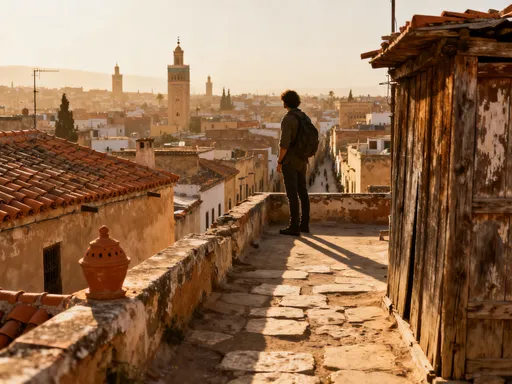
Ciudad Vieja, Montevideo’s historic quarter, is undeniably charming. Cobblestone streets, colonial architecture, and bustling plazas create an inviting atmosphere for dining and exploration. However, this appeal comes at a cost—literally. Restaurants in this area often charge up to 40% more for identical dishes served just a few blocks away in residential neighborhoods. The price difference isn’t due to superior quality, but rather to location, ambiance, and the assumption that tourists are willing to pay a premium for convenience.
Several factors contribute to this markup. First, rent in Ciudad Vieja is higher, especially for establishments with outdoor seating overlooking the port or Plaza Matriz. Second, many of these restaurants cater specifically to visitors, offering translated menus, multilingual staff, and curated “Uruguayan experiences” that prioritize presentation over authenticity. While these touches may enhance comfort, they don’t necessarily improve the food. In fact, some of the most overpriced meals are served in places where the kitchen relies on pre-made ingredients or frozen products to keep up with demand.
The solution is simple: walk a little farther. Just ten to fifteen minutes inland from the old city center, you’ll find almuerzos—midday eateries that serve hearty, home-style meals at a fraction of the cost. These are where office workers, retirees, and local families eat lunch, enjoying daily specials like mondongo (tripe stew), pastas made in-house, or grilled fish with roasted vegetables. Portions are generous, service is efficient, and the prices reflect real value.
One effective strategy is to observe where locals line up around noon. A long queue outside a modest storefront is often a better indicator of quality than any tourist guidebook. Look for handwritten menus in Spanish, plastic tables, and a steady flow of customers bringing their own containers for takeout. These are signs of a trusted neighborhood spot. By embracing a bit of adventure and stepping outside the postcard-perfect zones, you’ll not only save money but also gain access to more genuine expressions of Montevideo’s culinary heart.
Misreading Meal Times: A Cultural Clock Clash
One of the most common yet overlooked challenges for visitors is the mismatch between their eating schedules and local dining rhythms. In Montevideo, meal times follow a distinct cultural pattern that differs significantly from North American or Northern European norms. Lunch typically begins at 1:00 PM and can extend well into the afternoon, while dinner rarely starts before 9:00 PM. For travelers accustomed to eating at 6:00 or 7:00 PM, this delay can lead to frustration—many restaurants won’t even open their kitchens until later, leaving early diners with limited options.
This late dining culture stems from Uruguay’s social structure and workday patterns. The standard workday often runs from 9:00 AM to 6:00 PM, with a long midday break. During this pause, people return home or visit local eateries for a substantial lunch, sometimes accompanied by a glass of wine or a siesta. As a result, the concept of an early dinner doesn’t align with daily life. Cafés and bakeries remain open in the evening, but full-service restaurants gear up for dinner much later.
To navigate this rhythm, it’s wise to adjust your expectations or plan accordingly. If you’re hungry before 8:00 PM, your best bets are panaderías (bakeries) or street-side chivito stands, which serve sandwiches and snacks throughout the day. A warm medialuna (croissant) with coffee or a quick empanada can tide you over until dinner hour. Alternatively, consider adopting the local habit of a late afternoon merienda—a light meal around 5:30 or 6:00 PM that includes tea, toast, or pastries.
Understanding this timing also enhances your overall experience. By waiting for dinner, you join locals in one of their most cherished rituals. Restaurants come alive after 9:00 PM, with families laughing over shared plates and friends lingering over bottles of Tannat wine. Arriving too early means missing this vibrant atmosphere. Embracing the local clock isn’t just practical—it’s a way to connect more deeply with the city’s rhythm and values.
The Chivito Conundrum: Too Big, Too Rich, One and Done
No discussion of Montevideo’s food scene would be complete without mentioning the chivito—the country’s iconic sandwich and a point of national pride. At first glance, it looks like a steakhouse burger gone extravagant: a thick filet mignon layered with ham, bacon, cheese, lettuce, tomato, fried eggs, and often mayonnaise, all stacked between two slices of soft bread. Served with a side of fries, it’s a meal that commands attention. But its size and richness can catch unprepared diners off guard.
The pitfall lies in treating the chivito as a casual lunch option. Many tourists order it expecting a satisfying sandwich, only to find themselves overwhelmed halfway through. It’s not just large—it’s calorically dense, combining multiple proteins and fats into a single dish. Finishing one alone is a feat, and attempting it as a quick bite before sightseeing can lead to sluggishness or discomfort. Some visitors end up taking half home, only to discover that reheating doesn’t restore its initial appeal.
A smarter approach is to treat the chivito as a shared experience or a special occasion meal. Splitting one between two people allows you to enjoy the flavors without overindulging. Alternatively, order it during a relaxed lunch when you have time to digest and don’t plan on walking miles afterward. Some restaurants even offer a “chivito sencillo,” a simplified version without bacon or egg, which may be more manageable for lighter appetites.
It’s also worth noting that the chivito’s origins are humble despite its current extravagance. It was reportedly invented in the 1940s at a Montevideo steakhouse when a customer asked for goat meat (chivito means “little goat”), but the chef substituted beef due to unavailability. The name stuck, and the dish evolved into its current form. Today, it symbolizes Uruguayan abundance and generosity. Respecting its role in the culture means recognizing that it’s not fast food—it’s a celebration on a plate.
Dulce de Leche Deception: Not All Jars Are Equal
No trip to Montevideo is complete without bringing home a jar of dulce de leche, the caramel-like confection that sweetens everything from toast to desserts. Found in supermarkets, gift shops, and street markets, it’s easy to assume all versions are the same. But there’s a vast difference between mass-produced jars and the real, artisanal dulce de leche made in small batches with care and time.
Store-bought varieties, while convenient, often rely on additives, preservatives, and high-heat processing that dull the depth of flavor. They may be smooth and sweet, but they lack the rich, milky complexity of homemade versions. True dulce de leche is slow-cooked for hours, sometimes days, allowing the milk and sugar to caramelize naturally. The result is a thicker, more nuanced spread with a slight bitterness that balances the sweetness—a far cry from the one-dimensional supermarket kind.
To find the best, head to local markets like Mercado del Puerto, but go on a weekday rather than the crowded weekend tourist rush. Vendors who make dulce de leche in their homes often sell it in glass jars with handwritten labels. Some confiterías also produce their own, offering samples so you can taste before buying. Look for a deep amber color and a thick consistency that holds its shape when scooped.
Another sign of quality is packaging. Artisanal dulce de leche is rarely found in flashy, branded containers. Instead, it comes in simple jars, sometimes sealed with wax. Don’t hesitate to ask the vendor how it’s made—many are proud to explain their process. Buying directly supports small producers and ensures freshness. Whether spread on a warm roll or used as a filling for alfajores, the real dulce de leche transforms ordinary moments into small luxuries.
Closing Thoughts: Eating Like a Local Means Thinking Like One
Exploring Montevideo’s food culture is about more than just tasting dishes—it’s about understanding the rhythm, values, and traditions behind them. Every meal unfolds within a context shaped by history, social habits, and regional pride. Avoiding common food mistakes isn’t about perfection; it’s about respect. It’s about recognizing that authenticity isn’t found in tourist brochures, but in the quiet corners where locals gather, where menus are in Spanish, and where time moves a little slower.
When you choose a neighborhood parrilla over a glossy restaurant, when you wait for dinner like the locals do, or when you savor a properly made empanada at a family bakery, you’re not just eating—you’re connecting. You’re aligning yourself with a way of life that values quality over speed, community over convenience, and tradition over trend.
The city rewards curiosity and patience. Wander beyond the postcard views. Ask questions. Smile at the vendor who offers a sample. Let go of rigid expectations and allow Montevideo to surprise you with its quiet elegance and understated flavors. Because the most memorable meals aren’t always the grandest—they’re the ones shared with presence, eaten with gratitude, and remembered with warmth.