How I Stay Balanced with Qigong—Simple Moves That Actually Help
You don’t need extreme workouts or strict diets to stay healthy—sometimes, the quietest practices make the biggest difference. For years, I struggled with low energy and constant stress until I tried qigong. This gentle practice, rooted in traditional Chinese medicine, taught me how to move with intention and breathe with purpose. It’s not magic—just consistent, mindful motion that supports disease prevention naturally. If you're looking for a sustainable way to strengthen your body from within, this is worth exploring.
The Hidden Cost of Modern Life
Modern living often comes at a hidden price: chronic stress, disrupted sleep, and weakened immunity. Many women in their 30s to 55s find themselves caught in a cycle of constant doing—managing households, careers, and family needs—while their own well-being quietly erodes. The body bears the burden of this imbalance, often signaling distress through fatigue, tension, and frequent colds. Over time, these seemingly minor issues can contribute to more serious health risks, including high blood pressure, digestive disorders, and hormonal imbalances.
What makes this pattern so persistent is not a lack of effort, but a mismatch between lifestyle and the body’s natural rhythms. The human body thrives on regularity, calm, and movement that supports circulation and relaxation. Yet, many turn to intense exercise or restrictive diets in hopes of quick fixes, only to feel more drained. These approaches can be hard to sustain and may even deepen the stress they aim to relieve.
This is where qigong offers a different path. Unlike high-intensity workouts that demand physical exertion, qigong works gently with the body’s own energy. It doesn’t require special equipment, a gym membership, or hours of time. Instead, it invites a return to simplicity—slow movements, deep breathing, and quiet focus. By supporting the nervous system and encouraging restful states, qigong helps restore balance without strain.
Its accessibility is one of its greatest strengths. Whether you’re recovering from illness, managing a busy schedule, or simply seeking more stability, qigong meets you where you are. It doesn’t ask you to push harder, but to slow down and reconnect. In doing so, it addresses the root causes of modern health challenges—not through force, but through gentle, consistent practice.
What Exactly Is Qigong?
Qigong (pronounced “chee-gong”) is a mind-body practice that has been part of traditional Chinese medicine for thousands of years. At its core, it combines slow, deliberate movements with coordinated breathing and mental focus. The word itself breaks down into two parts: *qi*, meaning vital energy or life force, and *gong*, meaning cultivation or practice. Together, qigong means “cultivating energy” through mindful activity.
Unlike aerobic exercise that elevates the heart rate, qigong emphasizes fluidity, awareness, and internal balance. Movements are gentle and repetitive, designed to promote circulation, release tension, and calm the mind. Each motion is paired with breath—inhaling as energy rises, exhaling as it settles—creating a rhythm that supports the body’s natural healing processes.
Rooted in traditional Chinese medicine, qigong is based on the idea that health depends on the smooth flow of energy through pathways in the body called meridians. When this flow is blocked or disrupted—due to stress, inactivity, or emotional strain—it can lead to physical discomfort or illness over time. Qigong works to clear these blockages, not through force, but through gentle, sustained motion and focused intention.
It’s important to understand that qigong is not mystical or religious. While it has spiritual roots in ancient healing traditions, modern practice is grounded in practical, observable benefits. It’s used in hospitals, rehabilitation centers, and wellness programs around the world as a complementary approach to health. You don’t need to believe in energy systems to benefit—just as you don’t need to understand the mechanics of walking to enjoy its effects.
What sets qigong apart from other forms of movement is its emphasis on internal awareness. It’s not about how many repetitions you do, but how present you are in each one. This focus on mindfulness makes it especially effective for reducing stress and improving emotional regulation, both of which are essential for long-term health.
Why Prevention Starts with Energy Flow
In traditional Chinese medicine, disease prevention begins long before symptoms appear. The philosophy is simple: imbalance precedes illness. When the body’s energy—qi—is flowing smoothly, organs function well, immunity stays strong, and emotions remain stable. But when energy becomes stagnant or disrupted, small imbalances can grow into larger health concerns over time.
Think of the body like a river system. When water flows freely, it carries nutrients, removes waste, and supports life along its banks. But when the flow is blocked by debris or drought, the ecosystem suffers. Plants wilt, fish die, and the water becomes stagnant. Similarly, when qi is blocked—due to prolonged stress, poor posture, or emotional suppression—the body’s systems begin to underperform.
For example, chronic stress can cause energy to rise upward, leading to tension in the neck and shoulders, headaches, or difficulty sleeping. Over time, this pattern may contribute to high blood pressure or digestive issues. Emotional suppression, such as holding in grief or frustration, can cause energy to sink or stagnate in the chest or abdomen, potentially affecting heart or liver function.
Qigong helps prevent these imbalances by encouraging the free flow of energy through gentle, rhythmic movements. Each motion is designed to open specific pathways, release tension, and guide energy where it’s needed. Over time, this supports organ function, improves circulation, and strengthens the body’s natural defenses.
The beauty of this approach is that it works quietly, without strain. You don’t need to feel dramatic changes to know it’s working. Like tending a garden, the benefits come from consistent care—watering the soil, pulling weeds, and allowing time for growth. Qigong is not a cure for disease, but a daily practice that nurtures the conditions for health to thrive.
Three Core Practices That Make a Difference
While qigong includes hundreds of forms, a few foundational practices offer powerful benefits with minimal effort. These movements are simple enough to learn in minutes, yet deep enough to support lifelong wellness. They require no special clothing or space—just a few minutes of your time and a willingness to move with awareness.
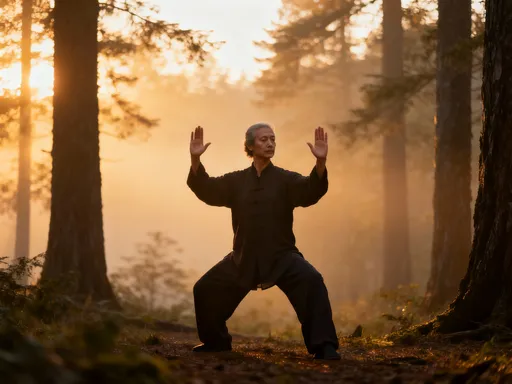
The first is Standing Like a Tree (Zhan Zhuang), one of the most essential qigong postures. It involves standing with feet shoulder-width apart, knees slightly bent, arms rounded in front of the body as if hugging a large ball. The spine is relaxed but upright, the breath slow and deep. Though it may look passive, this posture activates the entire body’s energy system. It improves posture, strengthens the legs, and calms the nervous system. Practicing for just five to ten minutes daily can enhance balance, reduce fatigue, and increase mental clarity.
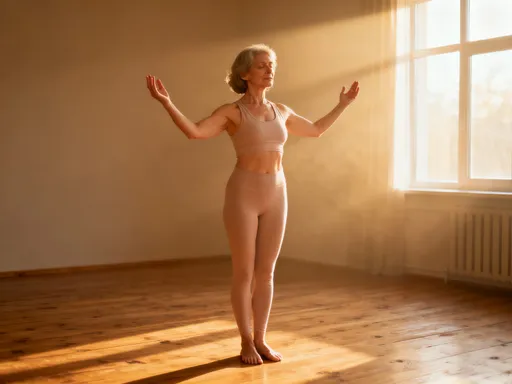
The second practice is Lifting the Sky, a flowing movement that stretches the body from head to toe. Begin with hands at the sides, then slowly raise them in front of the body, palms up, as if lifting an invisible weight. At the top, turn the palms outward and gently lower them back down, as if pushing water aside. This motion opens the chest, encourages deep breathing, and stimulates energy flow along the arms and spine. It’s especially helpful for those who spend long hours sitting, as it counteracts slouching and improves lung capacity.
The third is Separating Heaven and Earth, a movement that creates balance between upper and lower body. One hand rises above the head, palm facing up, while the other lowers toward the hip, palm down. The gaze follows the upper hand, then gently shifts as the hands switch positions. This gentle twist promotes spinal mobility, supports digestion, and helps regulate energy between the upper and lower body. It also fosters a sense of grounding and focus, making it ideal for moments of mental clutter or emotional overwhelm.
Each of these practices follows the same principle: small, intentional movements with breath and awareness. They are not about performance, but presence. When practiced regularly, they build resilience from within, supporting both physical strength and emotional stability.
How to Build a Realistic Routine
One of the greatest advantages of qigong is its flexibility. Unlike rigid fitness programs that demand specific times, equipment, or spaces, qigong can be adapted to fit any lifestyle. The key is consistency, not duration. Even ten minutes a day can make a meaningful difference, especially when practiced with focus and intention.
The best times to practice are in the morning or before bed. Morning sessions help set a calm tone for the day, improving energy and mental focus. Evening practice supports relaxation, making it easier to unwind after a long day. Some women find it helpful to practice during short breaks—between chores, after dropping the kids at school, or during a lunch pause. The goal is not to add another task, but to weave moments of stillness into existing routines.
An ideal environment is quiet and uncluttered, but not necessarily perfect. A corner of the living room, a spot in the backyard, or even a cleared space by the bedroom window can work. Wear comfortable clothing that allows free movement. You can practice barefoot or in soft shoes, standing on a mat or carpet. The space doesn’t need to be large—just enough to extend your arms fully.
Staying consistent can be challenging, especially when motivation fades. One effective strategy is to link qigong to an existing habit, such as brushing your teeth or making tea. For example, commit to three minutes of Standing Like a Tree while your morning water boils. Another tip is to keep a simple journal, noting how you feel before and after each session. Over time, these small records can reveal subtle shifts in energy, mood, and sleep—motivation to keep going.
It’s also helpful to release expectations. Some days, you may feel deeply relaxed; other days, your mind may race. Both are normal. The practice isn’t about achieving a perfect state, but about showing up for yourself. By removing pressure to “do it right,” you create space for genuine progress.
Science Behind the Stillness
While qigong has ancient roots, modern science is increasingly recognizing its benefits. Numerous peer-reviewed studies have explored its effects on stress, inflammation, and overall well-being. While research continues, the trends are promising—especially for women navigating hormonal changes, chronic stress, or recovery from illness.
One area of strong evidence is stress reduction. Studies have shown that regular qigong practice can lower levels of cortisol, the primary stress hormone. High cortisol over time is linked to weight gain, sleep disturbances, and weakened immunity. By promoting relaxation and parasympathetic activation—the body’s “rest and digest” state—qigong helps bring cortisol into healthier ranges.
Another benefit is improved heart rate variability (HRV), a marker of nervous system resilience. Higher HRV is associated with better emotional regulation, cardiovascular health, and adaptability to stress. Research published in journals such as *Complementary Therapies in Medicine* has found that qigong practitioners often show significant improvements in HRV after just a few weeks of practice.
Immune function is also positively influenced. Some studies suggest that qigong can enhance natural killer cell activity, which plays a key role in defending against viruses and abnormal cells. While it’s not a substitute for medical care, these findings support qigong as a complementary practice for maintaining immune health.
Inflammation, a silent driver of many chronic conditions, appears to be reduced through regular practice. A 2013 review in *BMC Complementary and Alternative Medicine* noted that qigong was associated with lower levels of C-reactive protein, a marker of systemic inflammation. This is particularly relevant for middle-aged women, as inflammation tends to rise during perimenopause and beyond.
It’s important to note that qigong does not promise instant cures or miraculous transformations. The benefits are gradual and cumulative, emerging from consistent practice. It works best when viewed not as a treatment, but as a daily habit—like brushing your teeth or eating nutritious meals. When combined with conventional care, it can be a powerful ally in maintaining long-term health.
A Practice for Life, Not a Quick Fix
Unlike fitness trends that come and go—high-intensity interval training, detox cleanses, or extreme dieting—qigong is not designed for rapid results. It doesn’t promise to melt fat in 30 days or transform your body overnight. Instead, it offers something deeper: a sustainable way to care for yourself, day after day, year after year.
This long-term perspective is what makes qigong especially valuable for women in midlife. At this stage, health is less about appearance and more about function—having energy, sleeping well, managing stress, and staying strong. Quick fixes may offer temporary satisfaction, but they often leave you feeling depleted or discouraged when results fade. Qigong, by contrast, builds resilience from within, supporting vitality that lasts.
It also fosters a kinder relationship with your body. Many women carry guilt or frustration about not doing enough—exercising enough, eating perfectly, keeping up with demands. Qigong shifts the focus from achievement to presence. It’s not about how many calories you burn, but how grounded you feel. It’s not about pushing through pain, but about listening to your body’s needs.
Over time, this practice can change how you view health itself. It becomes less about fixing problems and more about nurturing balance. Each session is a small act of self-respect—a quiet promise to show up for yourself, even when no one else notices. These moments add up, creating a foundation of strength, calm, and clarity that supports every area of life.
Results will vary. Some may notice improvements in sleep or digestion within weeks; others may feel a gradual shift in mood or energy over months. But the real measure of success is not in numbers or milestones, but in the simple act of showing up. In a world that never slows down, choosing to pause, breathe, and move gently is a powerful form of self-care.